
Why Your Pet’s Dental Health Matters More Than You Think
If you’ve ever smelled your dog’s breath and jokingly blamed it on the garbage, here’s the truth: bad breath is one of the most common signs of dental disease in pets and it’s not harmless.
Dental disease affects over 70% of dogs and cats by age three, and when left untreated, it can lead to chronic pain, infection, and serious health complications involving the heart, kidneys, and liver.
February is National Veterinary Dental Health Month, making it the perfect time to highlight how routine pet dental care directly impacts your pet’s overall health, comfort, and longevity.
The Silent Pain Problem: Pets Don’t Tell Us When It Hurts
Unlike humans, pets rarely show obvious signs of dental pain. Many dogs and cats continue to eat with broken teeth, play with inflamed gums, and hide discomfort until dental disease has significantly progressed.
Common early signs of dental disease in dogs and cats include:
- Bad breath (halitosis)
- Dropping food or chewing on one side
- Bleeding or inflamed gums
- Pawing at the mouth
- Yellow or brown tartar buildup
- Preferring soft food or refusing hard chews
- Irritability or changes in behavior
If your dog or cat suddenly becomes “picky,” it may not be a personality change, it’s often a sign of oral pain.
Why Professional Dental Cleanings Must Be Done Under Anesthesia
Pet parents often ask about “anesthesia-free dental cleanings.” While they may sound appealing, these procedures only remove surface tartar, similar to polishing a tooth without addressing cavities or infection.
Anesthesia-free cleanings cannot:
- Clean beneath the gumline (where infection lives)
- Take dental X-rays
- Evaluate tooth roots
- Safely extract diseased or painful teeth
- Dental anesthesia is not about convenience, it’s about safety, thorough treatment, and pain prevention.
What’s Included in Dental Procedures at Willowbrook Veterinary Hospital
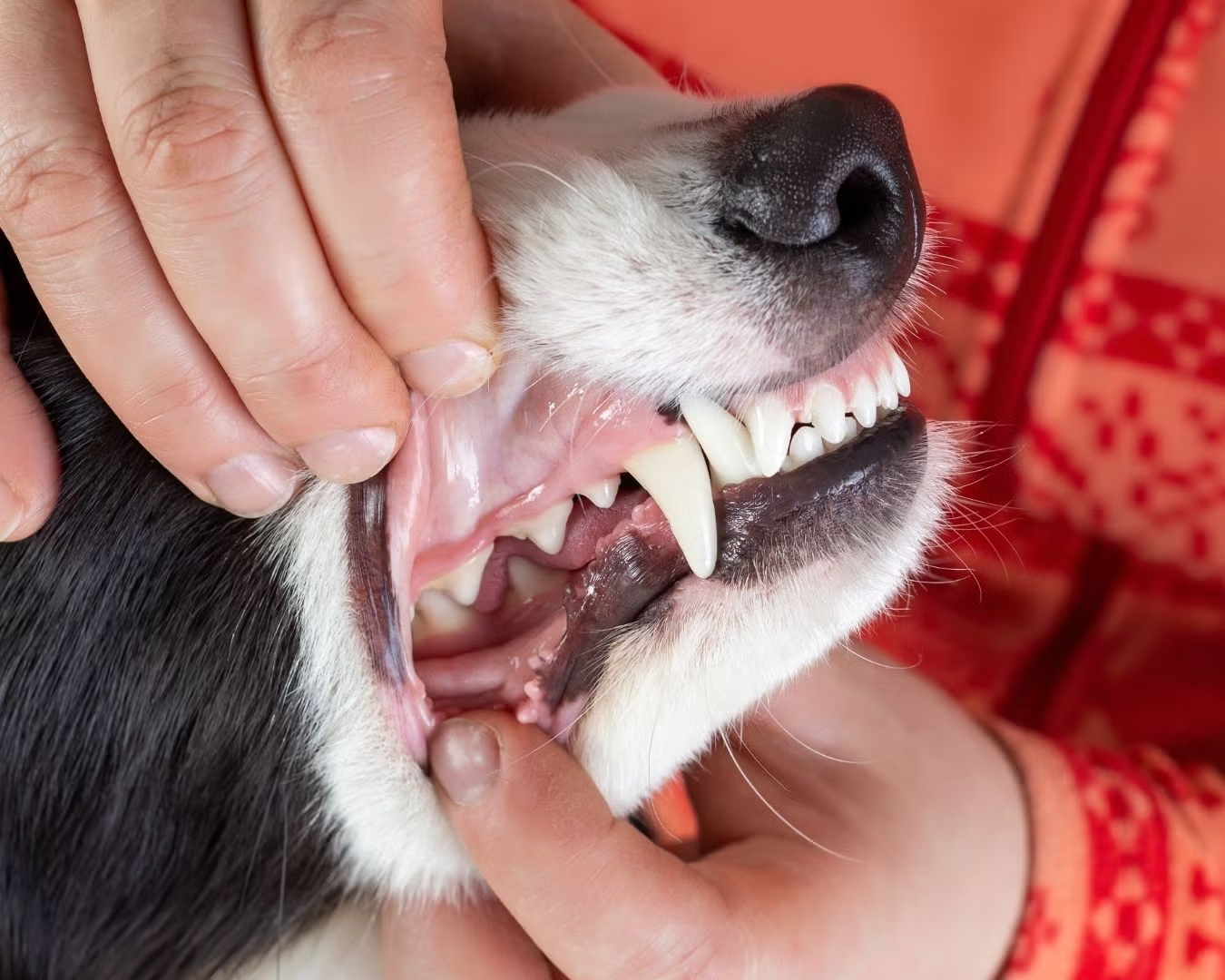 Our comprehensive veterinary dental care includes:
- Complete physical examination
- Pre-anesthetic bloodwork
- Full oral examination
- Digital dental radiographs (X-rays)
- Ultrasonic scaling above and below the gumline
- Tooth polishing
- Extractions when medically necessary
- Pain management and nerve blocks
- Personalized post-operative home care instructions
This gold-standard approach helps prevent long-term pain and protect your pet’s quality of life.
Cats Hide a Different Kind of Dental Disease
Cats are especially prone to tooth resorption, a painful condition where the tooth structure is slowly destroyed from the inside. This disease is impossible to diagnose without dental X-rays and often progresses without visible symptoms.
If your cat has stopped crunching kibble, has bright red gums, or shows signs of oral sensitivity, these are important red flags that warrant a professional dental evaluation.
At-Home Dental Care for Pets: Small Habits, Big Impact
 The gold standard for home dental care is daily tooth brushing, but even brushing two to three times per week can make a significant difference.
Additional veterinary-approved tools include:
- Dental chews approved by the Veterinary Oral Health Council (VOHC)
- Water additives
- Prescription dental diets
- Oral gels or dental wipes
If brushing has felt stressful or overwhelming in the past, our team is happy to demonstrate simple, low-stress techniques during your visit.
The Long-Term Payoff: Dental Health Can Add Years to Your Pet’s Life
Chronic dental infection doesn’t stay confined to the mouth. Bacteria can enter the bloodstream and affect vital organs throughout the body.
Pets that receive routine veterinary dental care often experience:
- Reduced pain and inflammation
- Improved appetite
- Fresher breath
- Increased lifespan
- Better overall quality of life
Many pet owners tell us after a dental procedure:
“I didn’t realize how much pain they were in until afterward. It’s like I got my pet back.”
February Dental Promotion at Willowbrook Veterinary Hospital
Throughout February, Willowbrook Veterinary Hospital is offering:
- Complimentary dental screening exams with a Certified Veterinary Technician for established clients
- Dental treatment availability for both dogs and cats, including new and established clients
If you’re unsure whether your pet needs a dental cleaning, a quick oral exam is often all it takes to determine next steps.